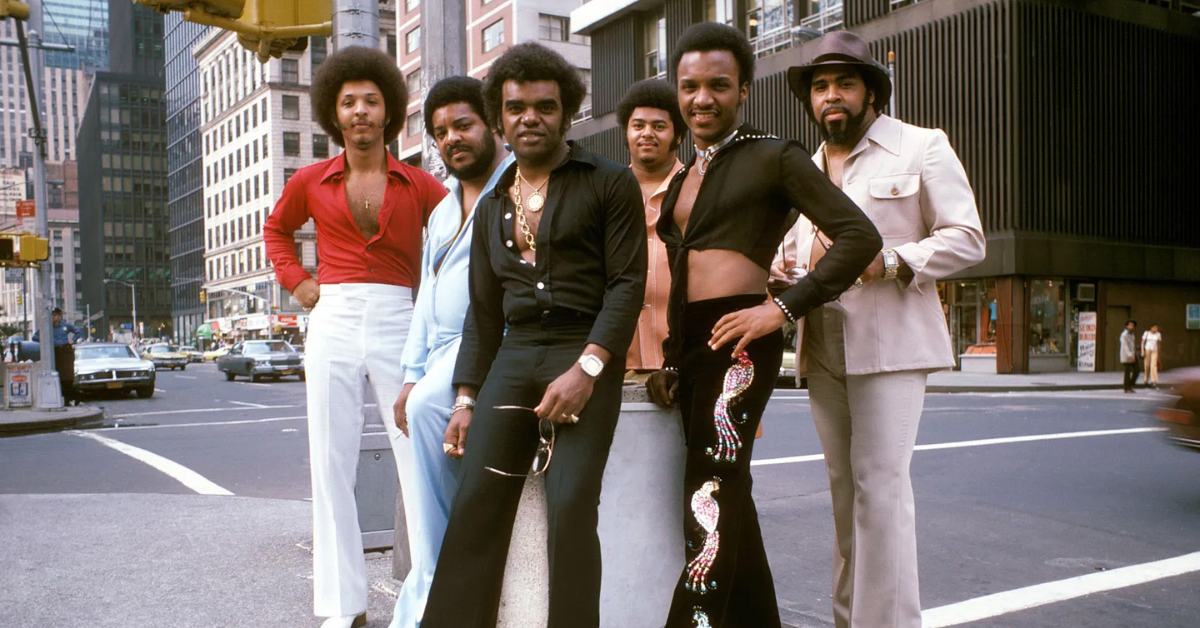
Detailed Analysis of “Shout” by The Isley Brothers (1959)
Note: “Shout” was actually released in 1959, not 1977. Here’s a comprehensive analysis:
Historical Context
“Shout” emerged during a pivotal moment in American music history, bridging gospel, R&B, and early rock and roll. The Isley Brothers drew inspiration from their church upbringing, transforming call-and-response gospel traditions into a secular celebration that would influence generations of performers.
Musical Structure
The song features an unusual extended structure that builds and releases tension repeatedly:
Advertisement
Dynamic range: The track famously moves from explosive energy to near-whispers and back again
Call-and-response pattern: Derives directly from African-American church traditions
Tempo shifts: The song dramatically slows down and speeds up, creating emotional peaks and valleys
Length: At over 4 minutes, it was unusually long for its era
Vocal Performance
The Isley Brothers’ delivery showcases:
Raw, emotionally charged vocals that convey uninhibited joy
Spontaneous-sounding ad-libs and exclamations
Group harmonies that support the lead vocals
A conversational quality that invites audience participation
Cultural Impact
“Shout” became:
A staple at parties, weddings, and sporting events
A template for audience participation songs
Influential on artists from The Beatles to countless soul and funk performers
A demonstration of how gospel energy could translate to popular music
Instrumentation and Production
The arrangement features:
Prominent horn section providing punctuation
Driving rhythm section maintaining momentum
Minimal but effective guitar work
Raw, live-sounding production that captures spontaneity
Legacy
The song’s influence extends far beyond its initial release, representing a breakthrough in how joy and spiritual ecstasy could be expressed in popular music while remaining accessible to mainstream audiences.
Detailed Analysis of “Shout” by The Isley Brothers (1959)
Note: “Shout” was actually released in 1959, not 1977. Here’s a comprehensive analysis:
Historical Context
“Shout” emerged during a pivotal moment in American music history, bridging gospel, R&B, and early rock and roll. The Isley Brothers drew inspiration from their church upbringing, transforming call-and-response gospel traditions into a secular celebration that would influence generations of performers.
Musical Structure
The song features an unusual extended structure that builds and releases tension repeatedly:
Advertisement
Dynamic range: The track famously moves from explosive energy to near-whispers and back again
Call-and-response pattern: Derives directly from African-American church traditions
Tempo shifts: The song dramatically slows down and speeds up, creating emotional peaks and valleys
Length: At over 4 minutes, it was unusually long for its era
Vocal Performance
The Isley Brothers’ delivery showcases:
Raw, emotionally charged vocals that convey uninhibited joy
Spontaneous-sounding ad-libs and exclamations
Group harmonies that support the lead vocals
A conversational quality that invites audience participation
Cultural Impact
“Shout” became:
A staple at parties, weddings, and sporting events
A template for audience participation songs
Influential on artists from The Beatles to countless soul and funk performers
A demonstration of how gospel energy could translate to popular music
Instrumentation and Production
The arrangement features:
Prominent horn section providing punctuation
Driving rhythm section maintaining momentum
Minimal but effective guitar work
Raw, live-sounding production that captures spontaneity
Legacy
The song’s influence extends far beyond its initial release, representing a breakthrough in how joy and spiritual ecstasy could be expressed in popular music while remaining accessible to mainstream audiences.